
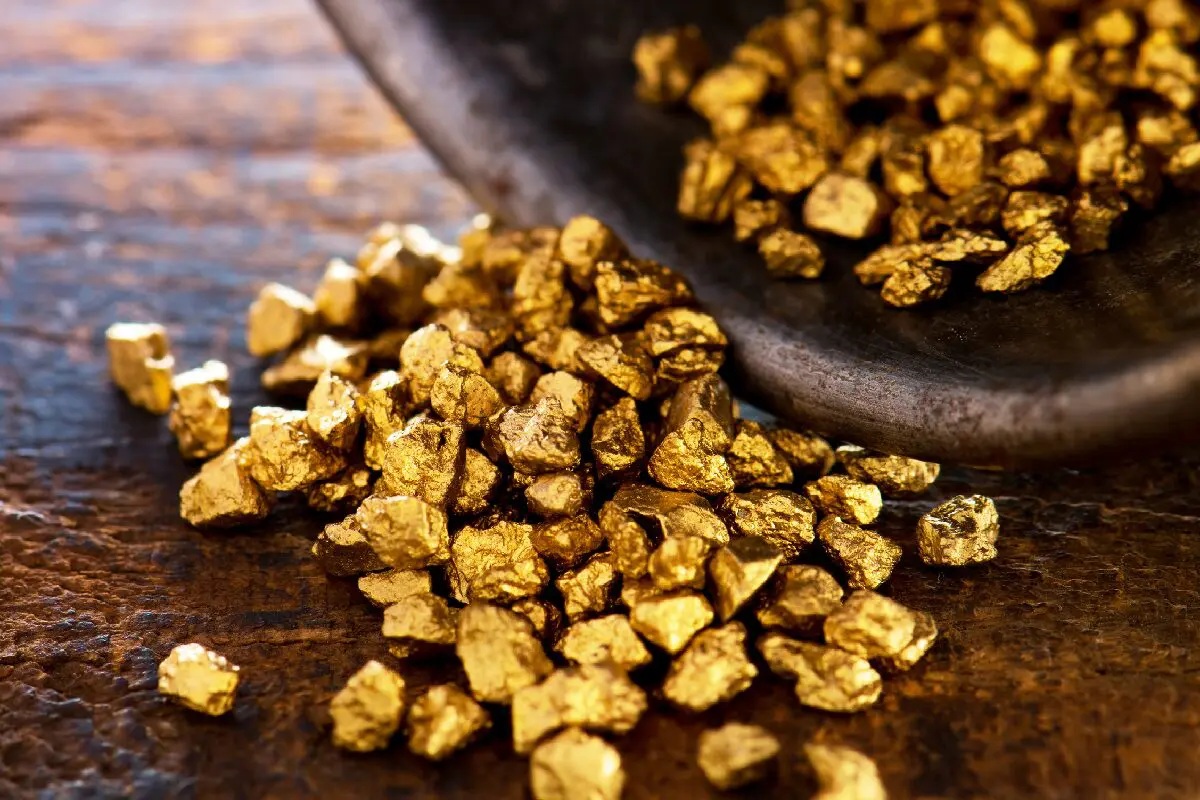
A higher concentration of gold than in mines The electronics industry produces around 50 million tonnes of waste per year. This waste is full of underutilised strategic resources. One tonne of this waste can contain up to 400 grams of gold, a much higher content than that found in minerals extracted from industrial mines, where the yield rarely exceeds 5 grams per tonne. Despite this potential, 80% of electronic waste is still not recycled in a structured manner and is often treated in hazardous conditions, with mercury or cyanide, to the detriment of the environment and public health.
A Swiss breakthrough revolutionises gold recycling
Researchers at the Swiss Federal Institute of Technology in Zurich (ETH Zurich) have developed a disruptive technology to extract gold from electronic circuits. Their method is based on the use of fibrils derived from whey, a by-product of the cheese industry, which are transformed into protein sponges.
These biological structures selectively capture gold ions dissolved in a metal solution obtained after treating the base plates. The material is then heated to a high temperature to produce solid 22-carat gold nuggets, without the need for the usual chemical agents.
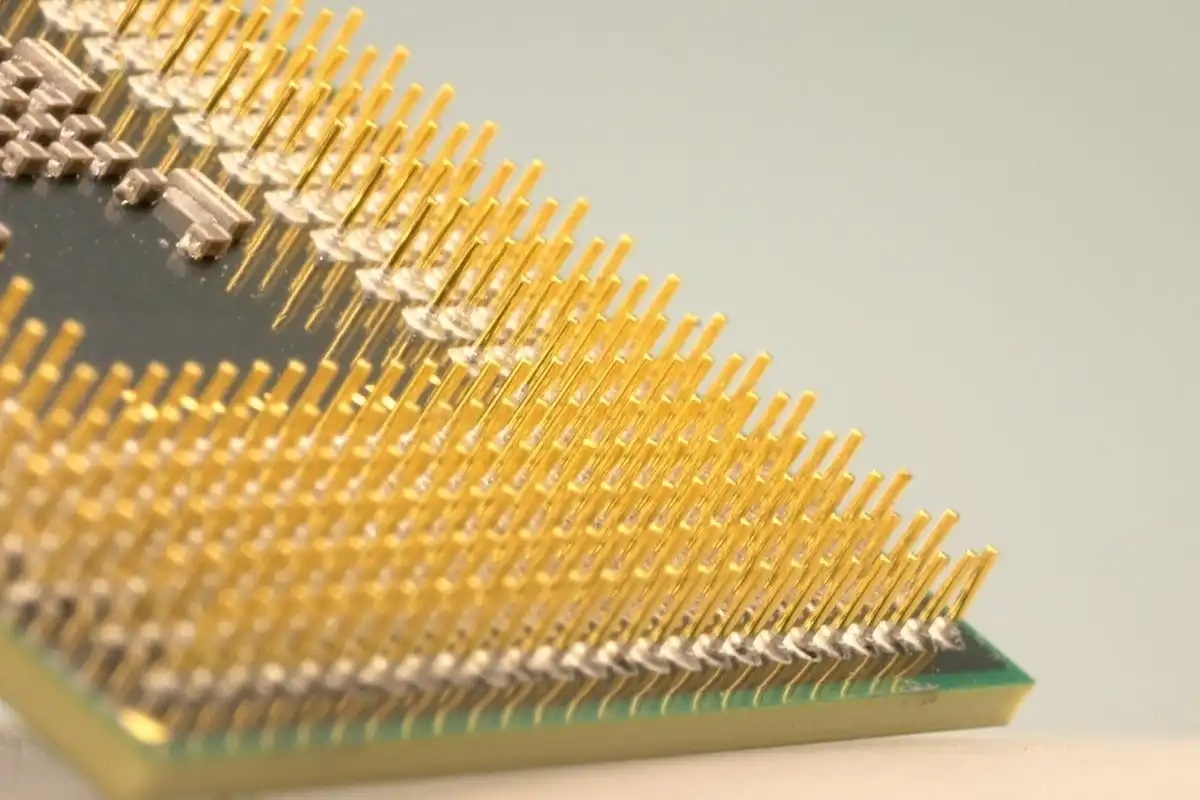
Towards a circular economy for electronic components
The objective is clear: to reduce dependence on mining by developing a recycling industry capable of recovering, purifying and revaluing the metals contained in obsolete devices.
The treatment follows a structured chain:
- collection of devices,
- manual disassembly,
- treatment of components by protein,
- selective recovery of metals,
- reconditioning into valuable ingots or nuggets.
Other materials such as copper, palladium, nickel or silver are also recoverable by combining this method with pyrometallurgy or hydrometallurgy techniques already known in the industry.
Rethinking the value of digital waste
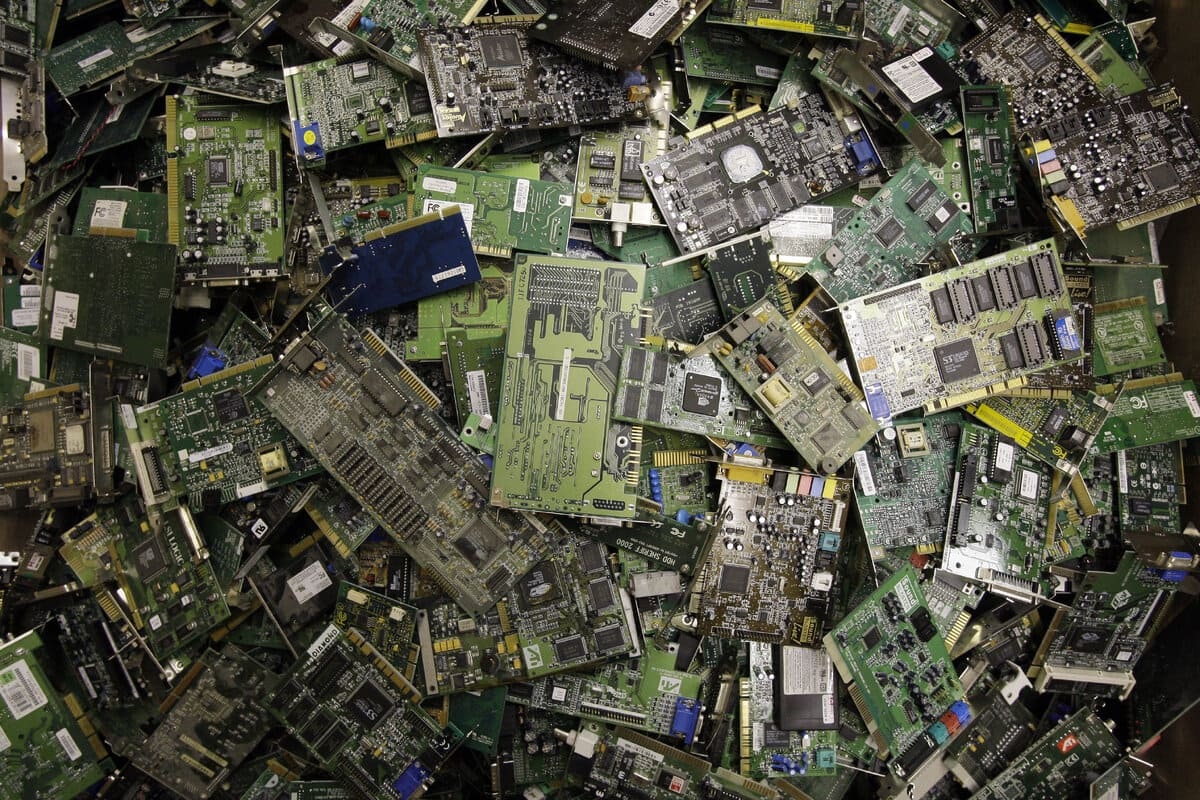
This paradigm shift reveals an important geo-economic challenge: the metals contained in millions of inactive or used devices represent a considerable alternative source.
Gold, contained in printed circuits and connectors, is just one example. By properly recycling these components, governments, businesses and even individuals can participate in a more autonomous and sustainable resource management strategy.
Investing in physical metals: a strategic choice
In an economic environment marked by geopolitical instability, debt and systemic banking risks, investing in physical gold remains a relevant strategy for preserving wealth. Bullion, historic gold coins, investment silver. All these tangible assets allow for diversification outside the banking system.
They represent not only a store of value, but also a lever for partial de-banking in a world where digital assets and derivatives disconnected from reality expose economies to extreme volatility.