For tomatoes to grow in ideal conditions, it is very important to maintain a balance between water and light. The opening of the stomata (tiny pores in the leaves) regulates both transpiration and gas exchange, which are key elements of photosynthesis and plant development. But when drought occurs, this system fails. The plant is forced to close its stomata to prevent water loss, but at the same time limits its ability to generate energy. As a result, the plant produces fewer fruits, i.e. fewer tomatoes. Interestingly, a group of researchers has developed a spray that helps tomatoes (and other crops) better tolerate water shortages. It is applied directly to the leaves and activates the plant’s defence mechanisms more effectively than its own natural reaction.
Spray created to increase tomatoes’ resistance to drought
Research carried out by scientists from the Spanish National Research Council (CSIC), in collaboration with the Polytechnic University (UPV) and the company GalChimia, has led to the creation of a molecule called iCB (inverted cyanobactin). Its purpose is to mimic and reinforce the action of the hormone that plays a key role in plants’ response to water stress, abscisic acid (ABA).
This hormone, produced naturally by plants, is responsible for closing the stomata in the event of water shortage.
However, the new compound activates ABA receptors more effectively, provides more efficient stomatal closure and, last but not least, allows the plant to maintain its photosynthetic capacity and recover after irrigation resumes. The results were published in the journal Molecular Plant, one of the most prestigious scientific publications in the field of plant biology.
In addition, the development of the molecule has already been patented, so it can be used in traditional agriculture.
How the spray works on tomatoes and other crops
When the spray is applied to the leaves, the iCB molecule begins to act, mimicking ABC. It binds to specific receptors for this hormone and activates the same defence chain that would be triggered naturally in drought conditions. The key is that it causes plants to conserve water without reducing their growth capacity.
On the other hand, iCB also activates genes that stimulate the production of defensive compounds, such as proline or raffinose, molecules that help stabilise plant cells in extreme conditions. In other words, the plant not only tolerates water shortages better, but can also recover more quickly and continue to produce.
Unlike other solutions that require changes to plant DNA, this spray acts externally and can be used on conventional crops without legal or technical complications. This opens up the possibility of its application on farms where access to water is limited or even scarce.
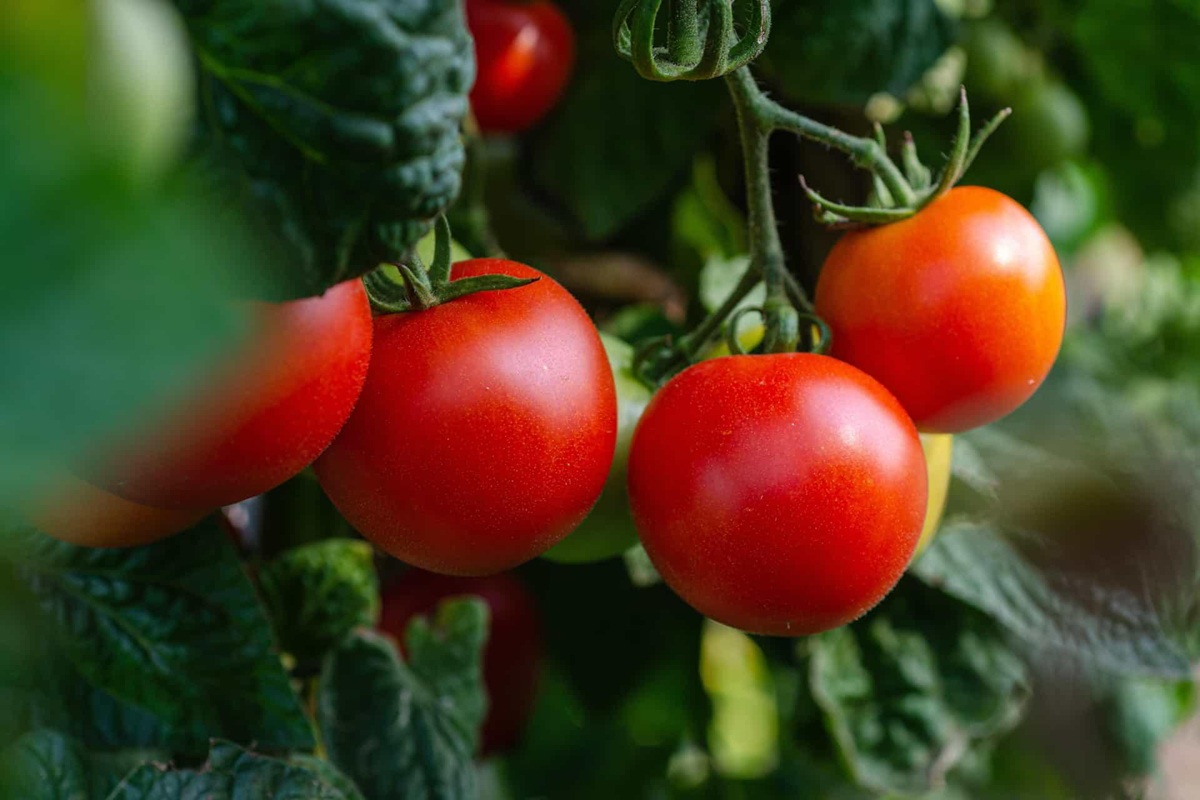
In recent tests, tomatoes treated with iCB withstood long periods without watering, continued to photosynthesise, and recovered quickly once water was restored. It has also been tested on wheat and grapes, and everything indicates that it works equally well.