

The latest dental recommendations indicate that waiting after some meals can make a difference in protecting enamel and preventing cavities. The importance of flossing and a balanced diet for a healthy mouth The frequency and manner of dental care have been the subject of consensus among experts, but the timing of this daily routine is beginning to gain prominence in the recommendations of leading dental associations. Is it sufficient to brush your teeth after every meal, or does it matter when you do it? The new guidelines seek to provide guidance on the importance of timing in daily oral hygiene.
The role of brushing and the most frequent habits
The time you choose to clean your teeth can define your long-term oral health. While daily oral hygiene is essential, using a toothbrush immediately after meals can damage enamel, according to the American Dental Association (ADA).
This organisation recommends waiting at least 60 minutes after eating before performing your oral hygiene routine to avoid risks and maximise its benefits. Why is this break so important? It only takes an hour for your mouth to regain its balance and your teeth to maintain their natural protection.
Brushing your teeth is essential for preventing oral diseases and maintaining proper oral hygiene.
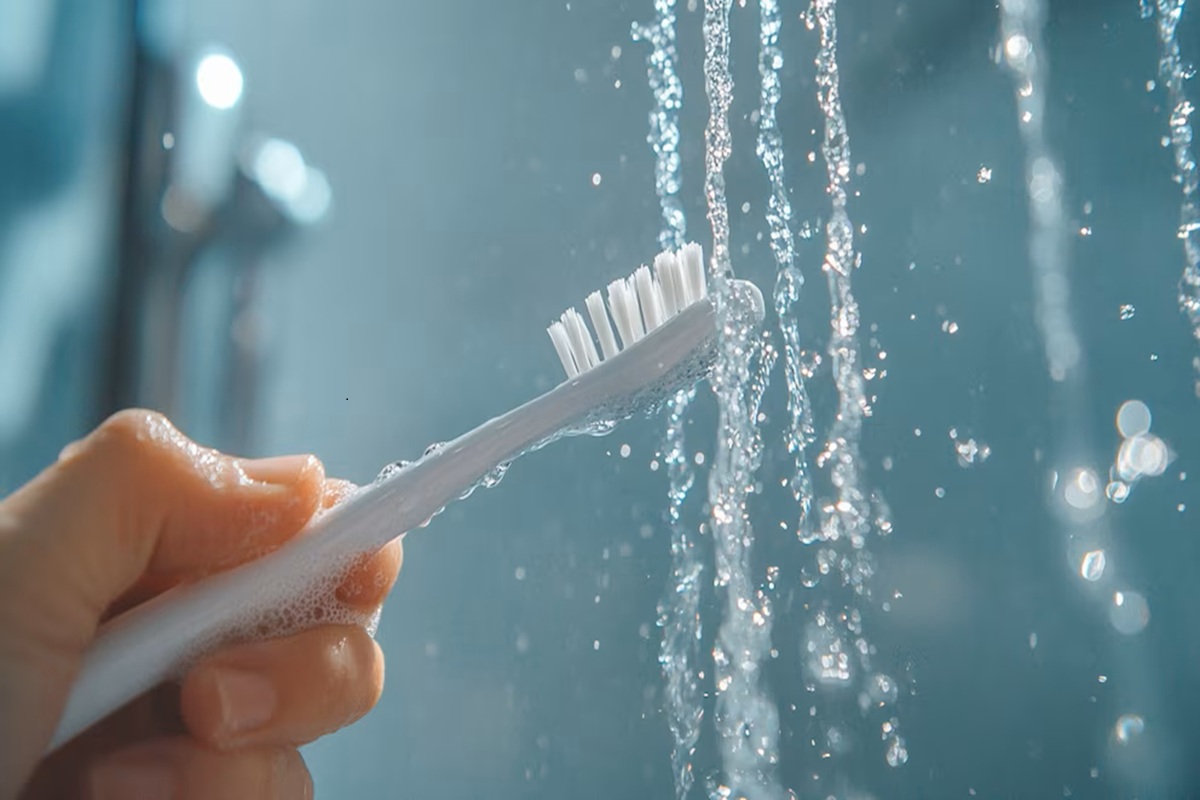
There are millions of bacteria in the mouth, many of which are responsible for cavities, periodontal disease and other conditions if not eliminated in time.
The traditional technique recommends brushing your teeth at least twice a day, ideally after breakfast and before bedtime, using fluoride toothpaste, according to the American Dental Association (ADA). In addition to brushing, flossing removes food debris and plaque between the teeth and under the gums. Oral pH decreases after meals, which weakens the enamel and promotes erosion if brushing is done immediately.
Many believe that brushing your teeth immediately after each meal offers maximum protection, but international experts warn that this practice can promote enamel wear, especially if acidic foods or drinks (citrus juices, wine, soft drinks) are consumed.
What happens in the mouth after eating?
When eating, the pH of the mouth decreases due to the action of acids released during digestion and bacteria that take advantage of foods rich in sugars and starches to produce even more acidity.
The ADA has pointed out that tooth enamel, the hard, protective layer of the teeth, weakens when the oral environment becomes acidic. If brushing occurs while acidity is high, acid residues disperse across the tooth surfaces, increasing wear and the risk of cavities.
Several studies indicate that the risk is greater if products such as citrus fruits, tomatoes, soft drinks, wine or energy drinks are consumed. These substances erode the enamel more, and brushing your teeth at this time can multiply the damage.
The ADA suggests waiting after each meal before performing oral hygiene, thus allowing saliva, one of the body’s most powerful natural defence mechanisms, to do its job. During this period, saliva neutralises acid, remineralises enamel and helps restore pH balance, which reduces vulnerability to erosion and the development of caries.
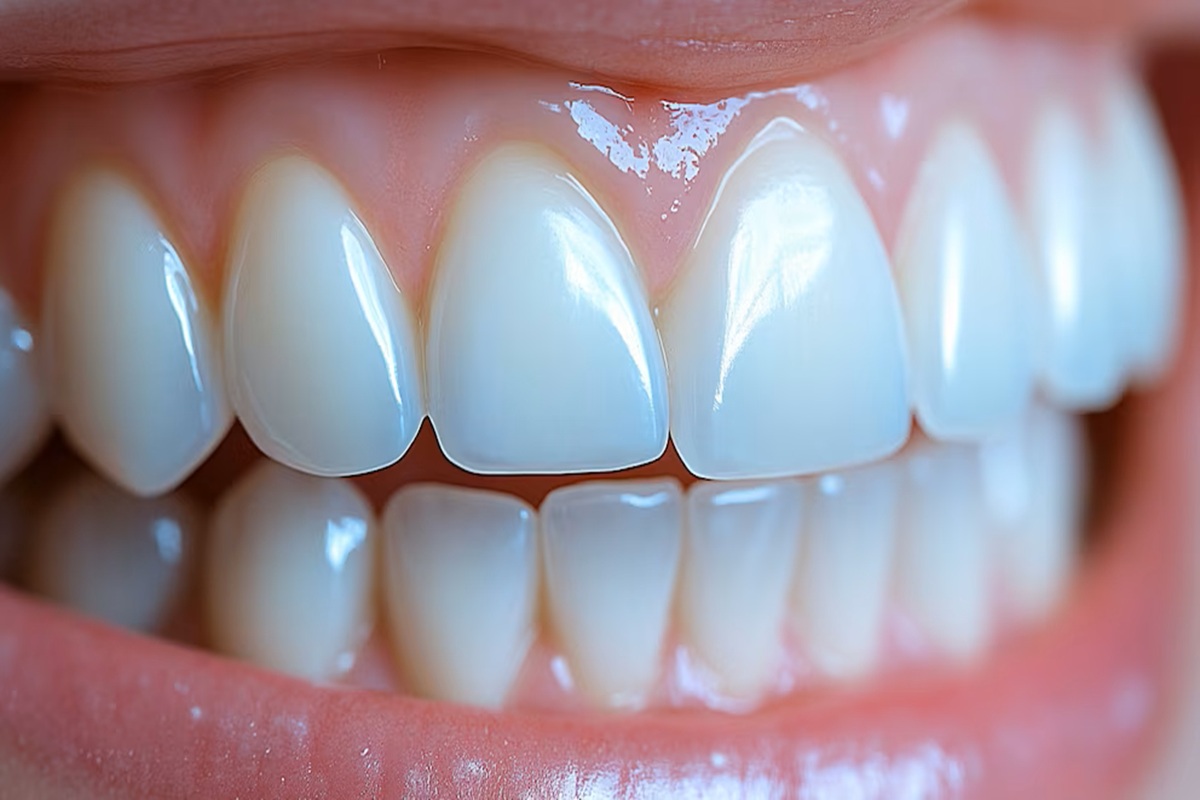
In addition, chewing sugar-free gum can stimulate saliva production in people with dry mouth, further promoting enamel protection and the elimination of food debris. It is also recommended to drink water after meals or acidic drinks to rinse the teeth and speed up the return to normal conditions.
Recommended habits
- Make regular visits to the dentist (at least once a year).
- Maintain a balanced diet and limit your consumption of refined and ultra-processed sugars.
- Avoid smoking, as tobacco negatively affects the gums and oral flora.
- Consider using fluoride toothpaste and specific products for sensitive teeth if you have wear or hypersensitivity.
Getting into the habit of waiting at least sixty minutes after each meal can preserve tooth enamel in the long term. This is a simple gesture which, together with correct oral hygiene techniques and a healthy diet, is essential for preventing cavities, sensitivity and other oral conditions.
This recommendation reinforces the importance of conscious and timely brushing, adapted to the latest scientific evidence, as one of the best strategies for lifelong smile care.