By mixing these two natural products, we can obtain a great tool for our garden that will strengthen our plants. More and more people are opting for natural solutions to beautify their gardens without spending too much. Among the most recommended tricks is a mixture that combines vinegar and banana peels. Although it seems simple, this homemade formula provides essential nutrients to the soil and promotes the growth of plants. Banana peels are rich in potassium, phosphorus, and magnesium, three minerals essential for plant development.
What is the purpose of this mixture in the garden?
The purpose of this preparation is to create a liquid fertiliser for watering. It is not advisable to apply vinegar directly to plants, as it can damage the soil if not diluted. By letting the mixture stand and then diluting it with water, you obtain a safer and more effective product for nourishing your garden.
The benefits of this mixture for your plant
It is a powerful natural fertiliser rich in potassium, phosphorus and magnesium that accelerates the release of nutrients to plants, improves the soil, repels pests such as aphids and ants, and serves to clean and shine the leaves. It is advisable to use it diluted in water and applied to the soil to avoid burns, not on the leaves, as vinegar acidifies the soil and benefits plants that prefer it this way.
Step by step: how to prepare homemade fertiliser
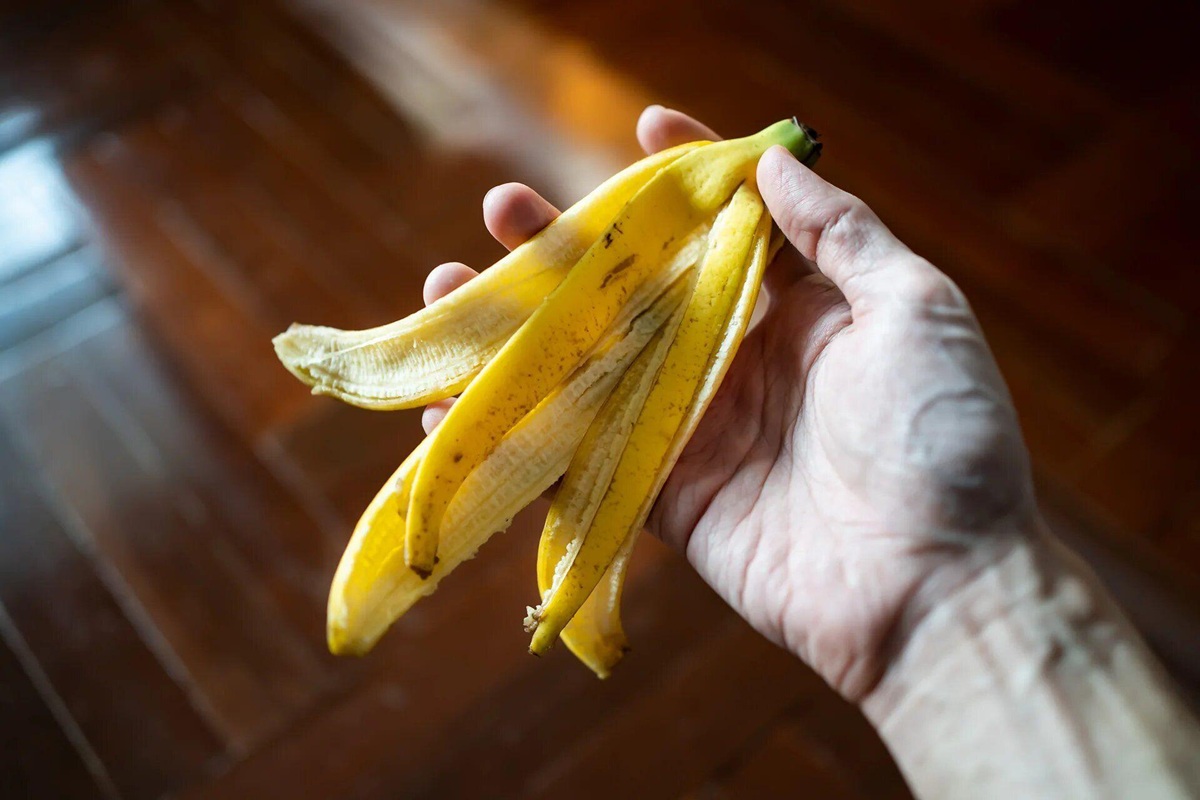
- Collect the peels: store the banana peels in a clean container.
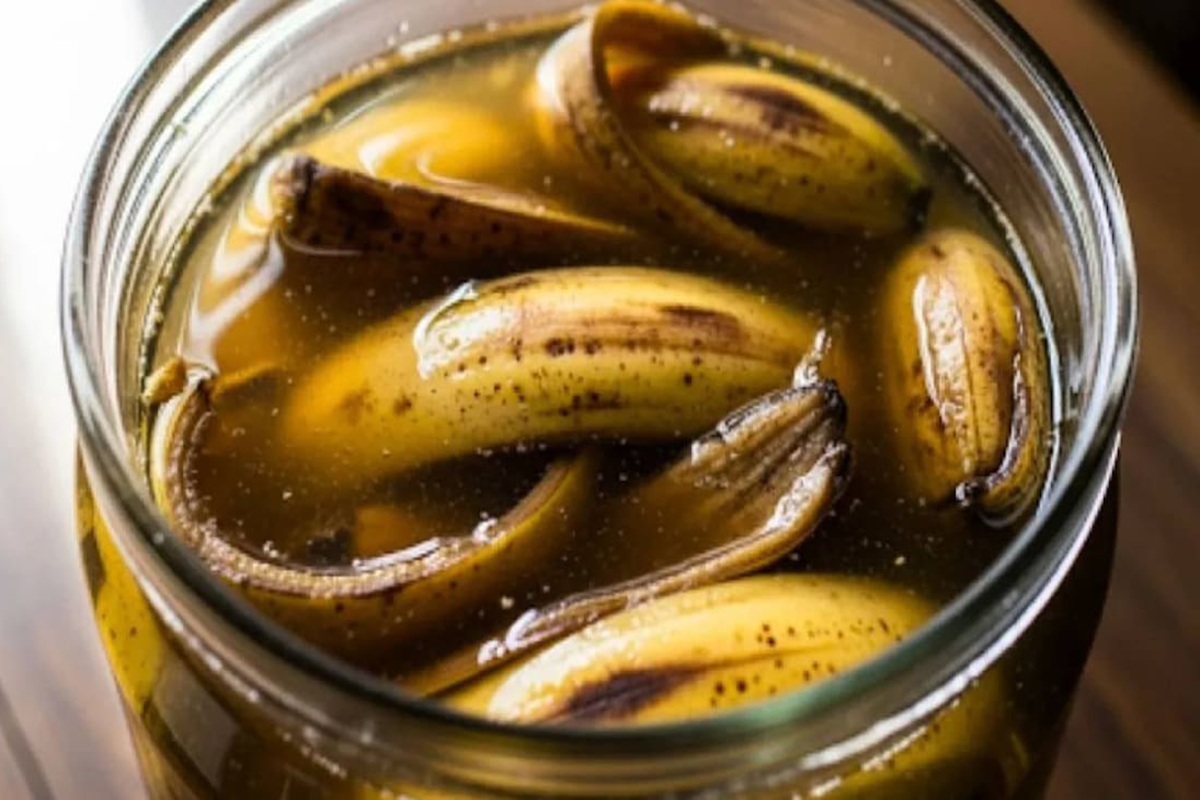
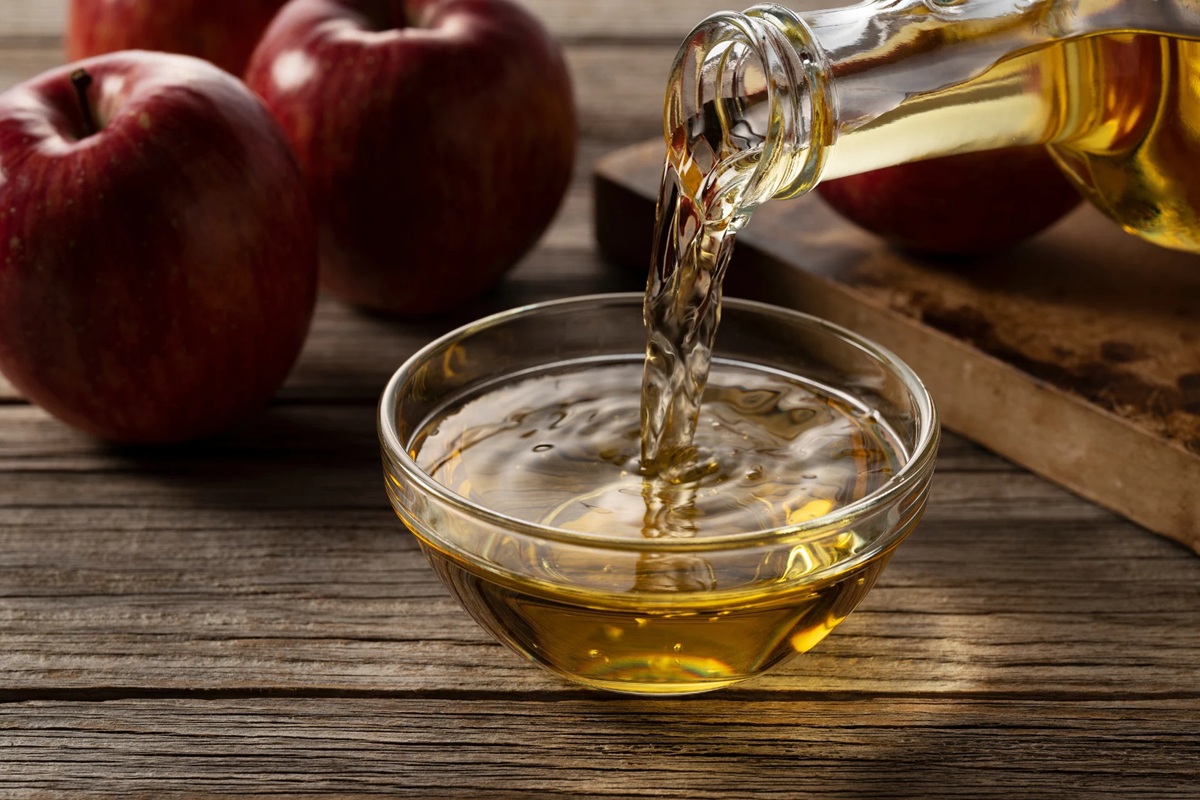
- Add vinegar: cover them with white or apple cider vinegar. Make sure they are completely submerged.
- Let it rest: let the mixture rest for at least 48 hours. During this time, the nutrients are released.
- Dilute with water: before use, mix the liquid with water in equal parts. This prevents the vinegar from affecting the soil.
This homemade fertiliser can be applied once a week to plants that need a nutritional boost. It is also useful in pots, urban gardens or small gardens.
Recommendations for effective application
- Do not apply to leaves.
- Test it first on one plant to see how it reacts.
- Use it on soils that tolerate acidity, such as those for hydrangeas, azaleas, or fruit trees.
- If you have compost, you can add the peels directly, without vinegar.