
During underwater research in Lake Biwa, one of the largest lakes in Japan, a vase was found that had remained hidden for millennia. Found at great depth and in excellent condition, this discovery provides unique information about pottery from the Jomon period. The expedition team used the latest technologies and traditional archaeological methods to map the bottom of the lake and remove the vase without damaging it. The discovery was made in an area known for its underwater ruins, although it has been little studied until now. Researchers note that both the context of the discovery and the exceptional state of preservation of the object open up new hypotheses about the everyday use and symbolic value of pottery in coastal communities more than 10,000 years ago.
What no one expected to see at the bottom of the sea: an intact vessel over 10,000 years old
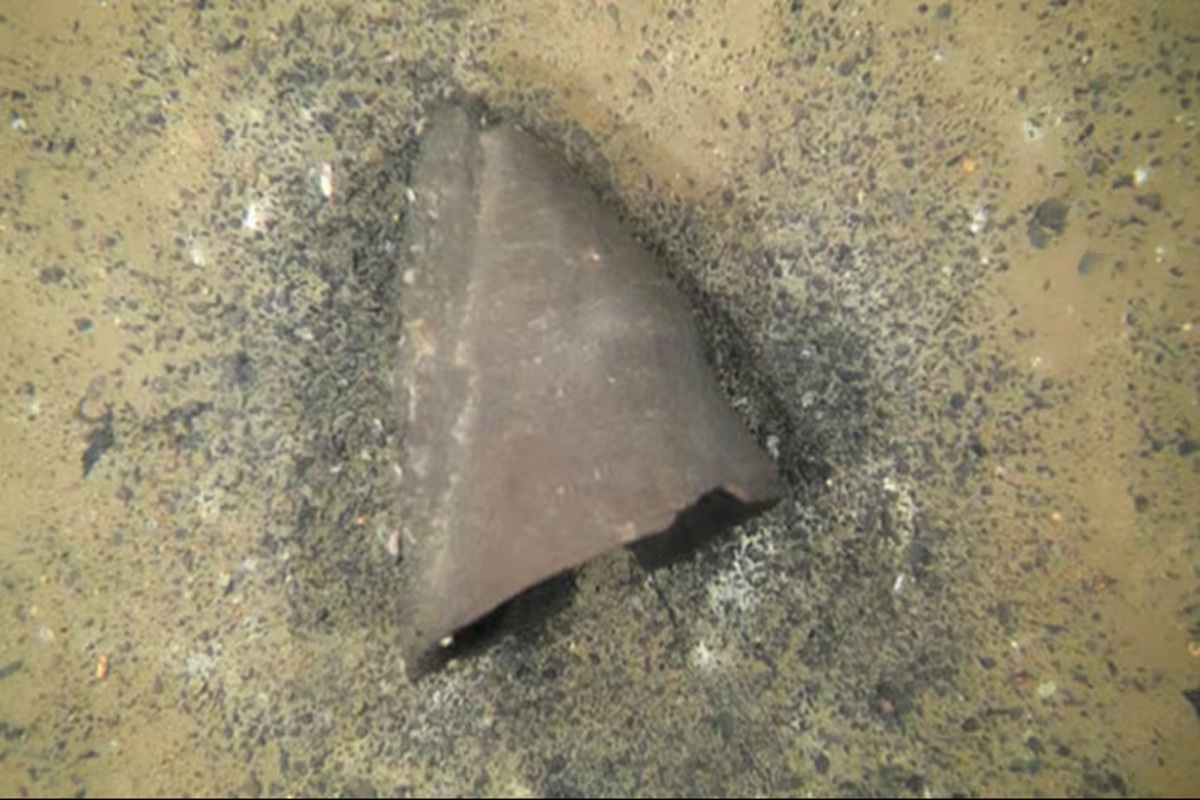
The vase, about 25 centimetres high, was found at a depth of 64 metres, in an upright position and with no visible damage. This detail is important, as its location suggests a possible intentional burial or a connection to ceremonial rituals.
Experts note that the geological conditions of the Tsuzuraozaki region contributed to its preservation, as noted by National Geographic. Added to this was the use of 3D scanners and autonomous underwater vehicles, which allowed for precise work even in low visibility conditions.
The technology that revealed the bottom of the lake
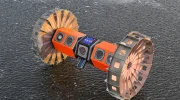
The use of autonomous underwater vehicles (AUVs) and underwater scanners specialised in archaeology made it possible to explore vast areas of the lake bed and obtain records comparable to those obtained in human dives. These technologies have significantly expanded the scale of possible research on the lake bed.
After extraction, the vase will undergo studies to determine its composition, use and precise dating. At the same time, museums and research centres are working on creating a 3D model that will allow the vase to be exhibited virtually.
New questions, new expeditions
Along with the vase, other ceramic fragments from different periods have been documented, attesting to the long-term presence of people in this area. This body of evidence requires a review of settlement maps and possible trade routes in prehistoric Japan.
The next steps include chemical analyses and comparative studies that may confirm the links between ceramic styles and social practices. Meanwhile, this discovery is arousing considerable interest both in the archaeological community and among the general public.