This home remedy can be a simple solution to a problem that, for many, can be serious.
With the arrival of hot days, many people look for practical ways to keep their homes cool without relying so much on air conditioning. One of the most common problems — and annoying for many neighbours — is the presence of pigeons on balconies and cornices, although there is a simple trick to scare them away.
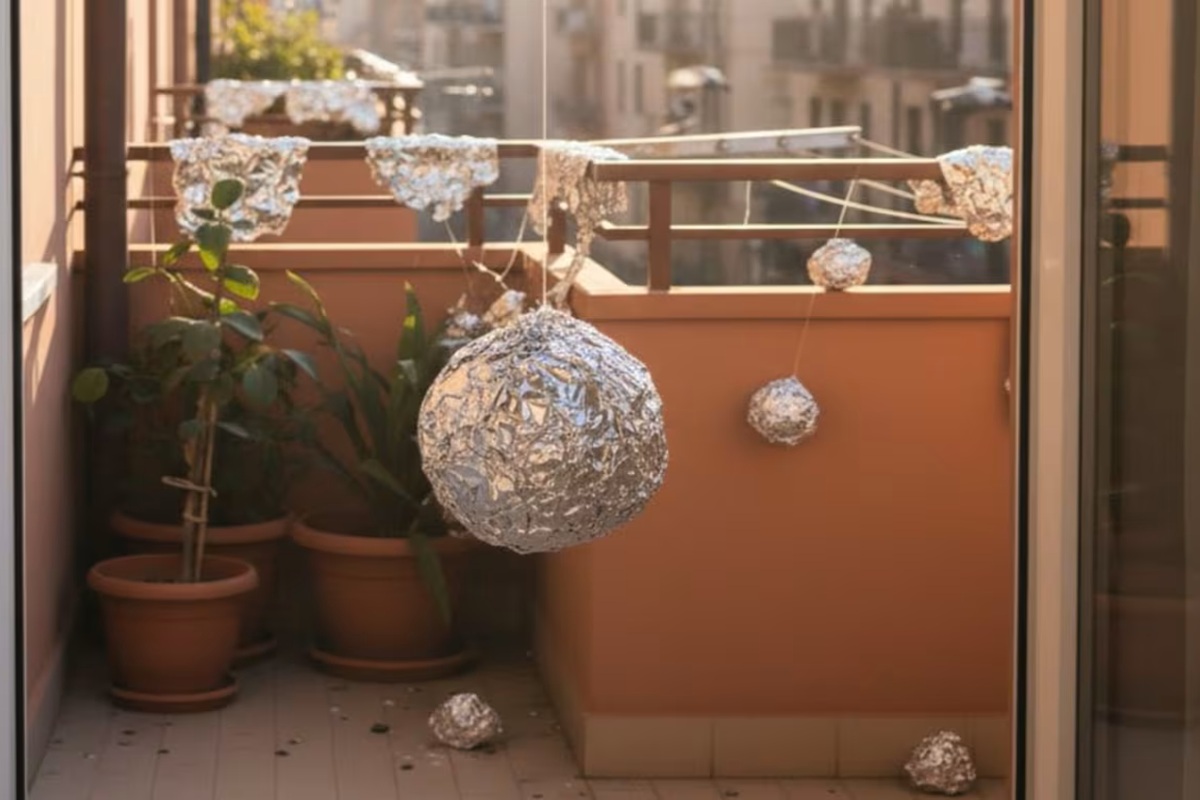
Although it may seem like an improvised resource, this trick has a logical basis: aluminium foil generates reflections and movements that bother pigeons and prevent them from approaching or settling on building balconies.
How to scare pigeons away with a little aluminium foil
Although their presence can become a problem, it is important to note that you should never harm them, not only for ethical reasons, but because they are part of the urban fauna and it is prohibited to capture, kill or injure them. Consequently, many opt for harmless alternatives to scare them away, such as hanging garlands made of old CDs, although their effectiveness is debatable.
Others opt for a technique that consists of spraying the entire balcony with a mixture of water and some hot powdered spice, but this also does not work well with pigeons. The ultimate trick is to place aluminium foil in places on the balcony where these birds usually land or nest, such as on window sills, railings or large pots.
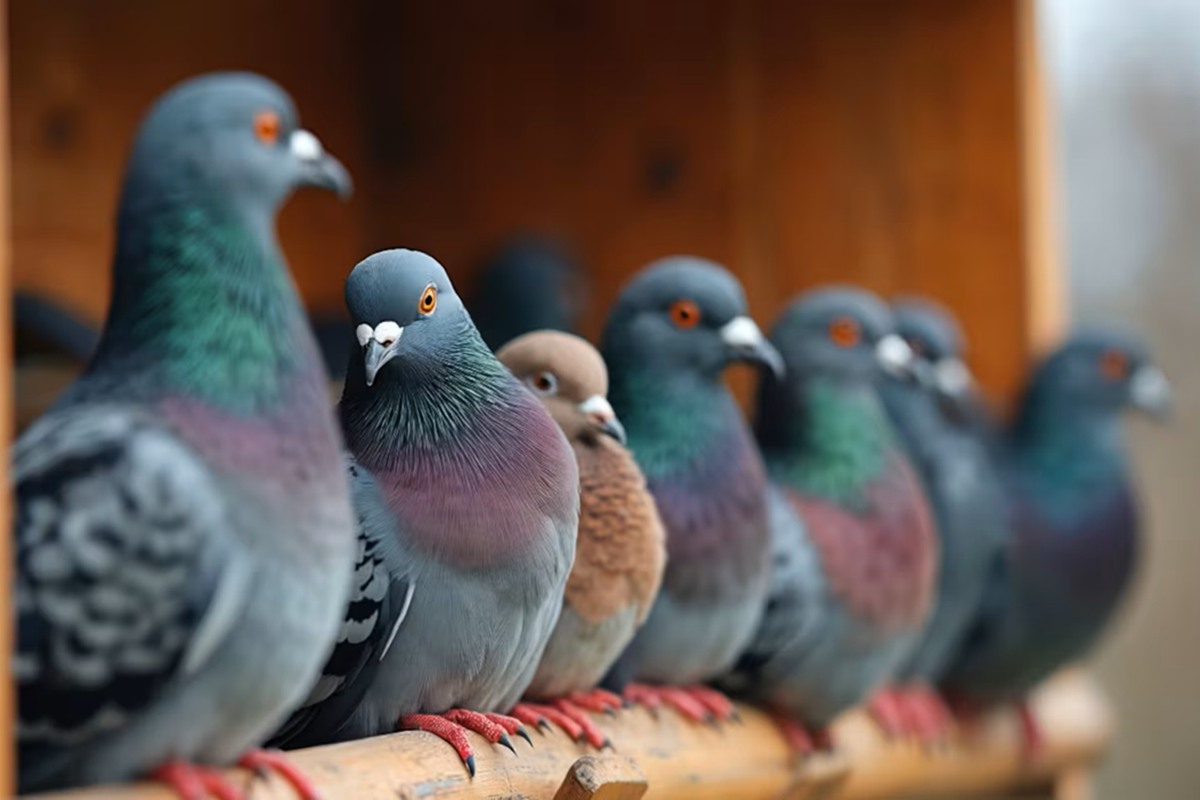
Aluminium is very effective in scaring pigeons away because it reflects sunlight and, consequently, projects flashes of light that these animals hate. The sound this foil makes when it moves in the wind also helps to scare them away. This trick not only does not harm them, but is also an economical and environmentally friendly alternative.
It may not be a very aesthetic solution for the balcony, but the benefits of keeping pigeons away are more valuable than a simple aesthetic issue, not only because of the diseases they can transmit, but also because their droppings are corrosive to various outdoor furniture or metal railings.
Other domestic uses for aluminium foil
One of the best-known uses for aluminium foil is to take advantage of its reflective surface to enhance lighting in dark spaces. Placing it behind a lamp or inside a cupboard helps to distribute the light better and creates a more uniform environment. It also works as an efficient resource for protecting surfaces during manual tasks or small repairs.
In terms of organisation, it can be used to sharpen scissors or knives. Folded several times and cut into strips, it allows you to restore the blade without resorting to specialised tools. Similarly, it is used to wrap metal objects prone to rust, as it acts as a barrier against moisture and prolongs the life of rarely used utensils.
For clothing care, this material offers simple alternatives. Placed in small balls of aluminium foil inside the washing machine or dryer drum, it reduces static and prevents items from sticking to each other. It also plays a useful role when placed in small strips on ironing boards, as the reflective surface helps to distribute heat more evenly.
In cleaning tasks, aluminium foil can become a gentle abrasive tool, ideal for removing stubborn residues from resistant surfaces. Its flexibility allows it to adapt to corners and contours where other sponges cannot reach, making it a versatile addition to different household routines.\
A brief history of aluminium foil
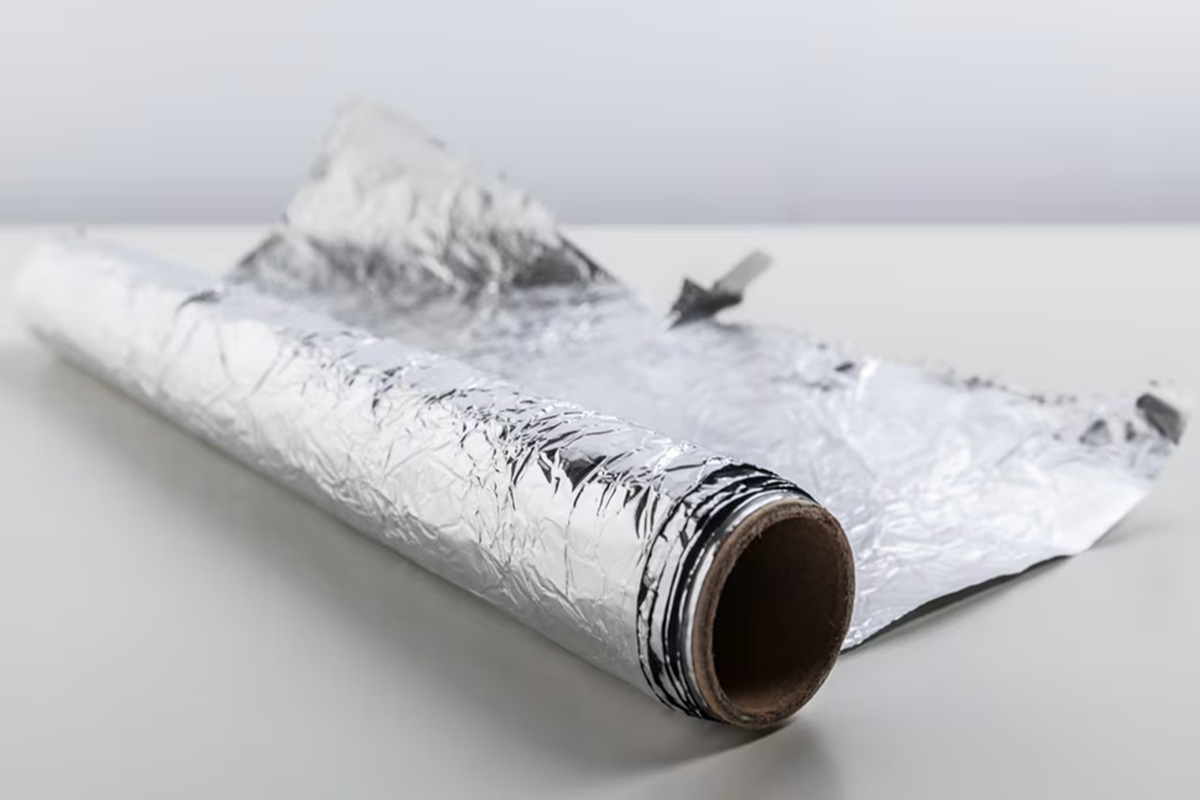
As we know it today, it originated in the early 20th century. Before its appearance, tin foil was used to wrap food, although it was heavier, more fragile and less efficient.
The decisive leap forward came in 1910, when Switzerland succeeded in industrially producing thin sheets of aluminium, a lighter, more malleable and resistant material. Its rapid adoption was linked to the food and pharmaceutical industries, which found aluminium to be a practical solution for preserving products and protecting them from light, moisture and air.
Over the following decades, aluminium foil became popular in homes, especially after the Second World War, when increased mass consumption and the development of new household appliances boosted its use in the kitchen. Its versatility made it an everyday consumable in millions of homes.
Today, in addition to its usual presence in gastronomy, aluminium foil is a symbol of the industrialisation of domestic cooking and the advancement of materials designed to make everyday life easier. For this reason, it has multiple uses in the kitchen, both for preparing food and for caring for different objects.