
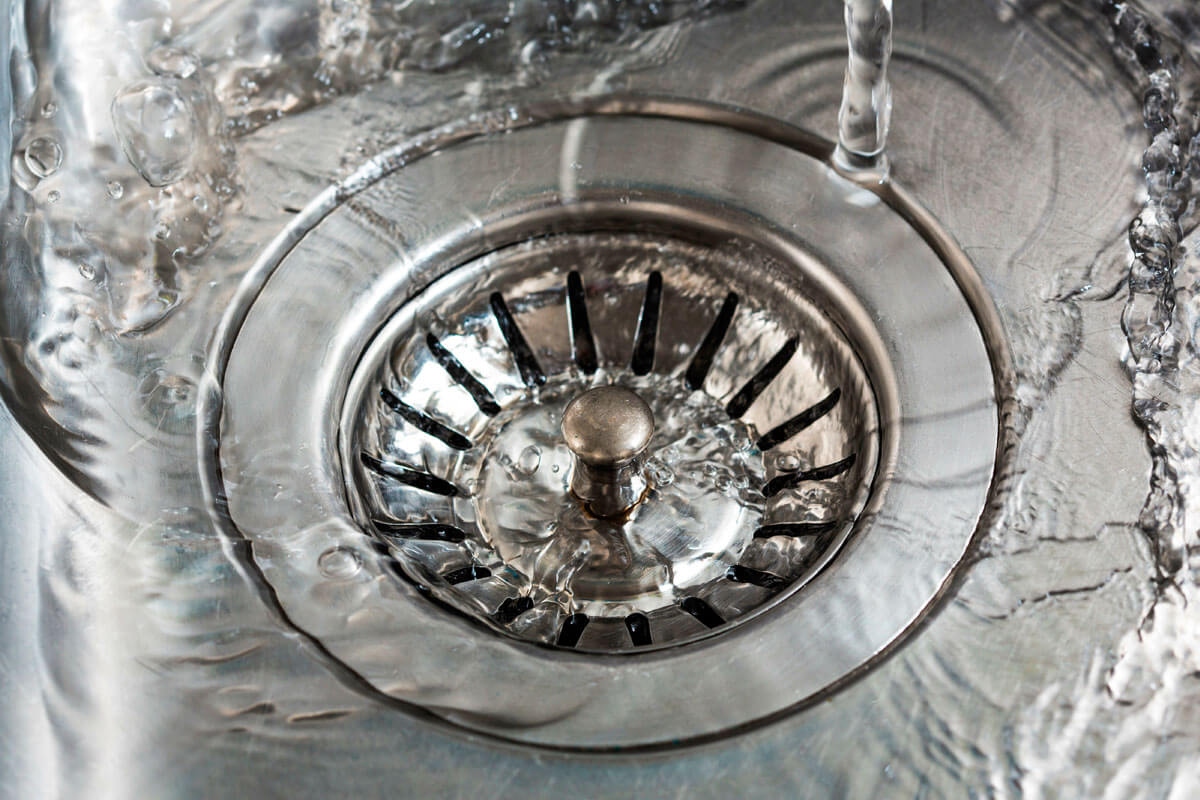
Blocked sink? Forget vinegar and bicarbonate of soda. All you need is half a glass of two kitchen ingredients to unblock the pipe quickly, cheaply and without chemicals. A blocked pipe is one of those domestic problems that can ruin your mood first thing in the morning. Water stagnates in the sink, the pipe gurgles and a characteristic musty smell begins to emanate from the kitchen or bathroom. Usually, in a panic, we rush to use vinegar and bicarbonate of soda or, worse still, corrosive chemicals. However, there is a quicker, gentler method that is easier on the pipes and costs next to nothing. All you need is half a glass of two ingredients that almost everyone has at home. After a few minutes, the blockage will clear itself and the water will flow freely.
Why do pipes get blocked so quickly?
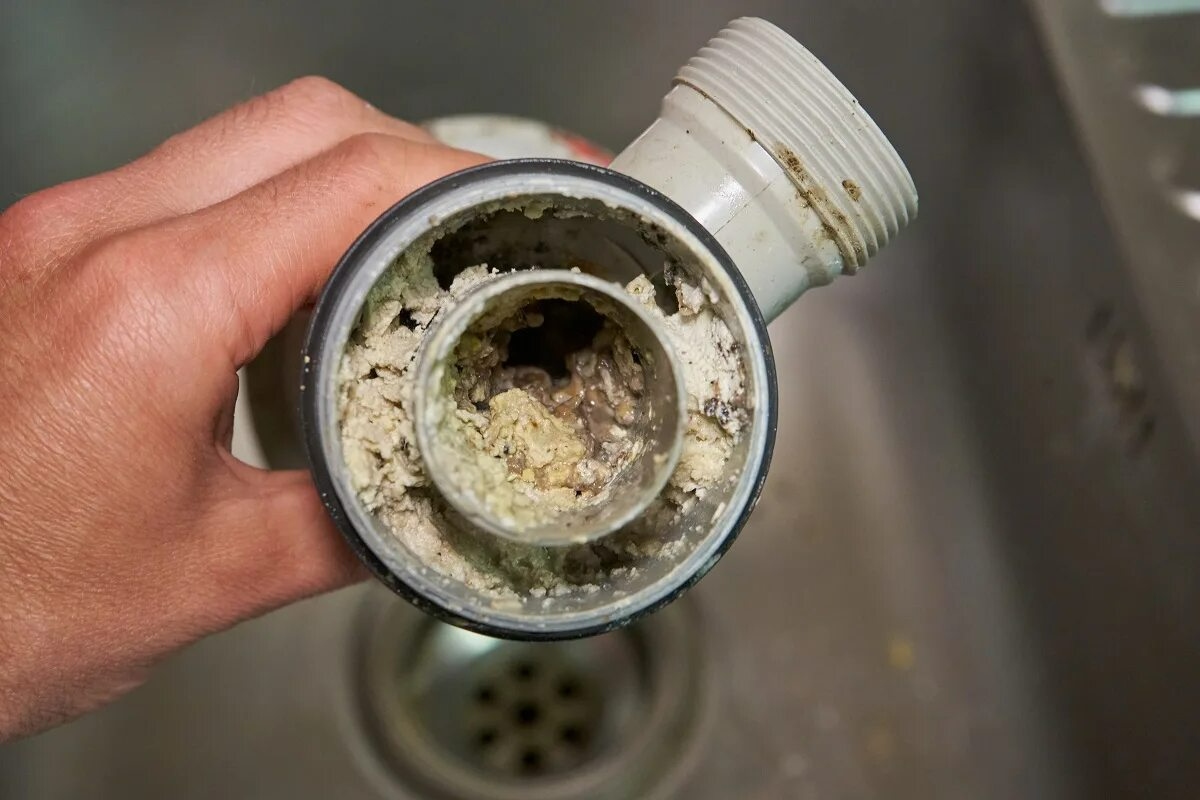
A blockage in the pipe does not appear out of nowhere. It is the result of a gradual build-up of:
- food scraps, grease and coffee in the kitchen sink,
- hair, toothpaste and shower gel in the bathroom,
- limescale from hard water,
- and detergent residues.
At first, the water drains more slowly, then it starts to bubble, and finally… an unpleasant smell appears, signalling a complete blockage. The quicker you react, the better, and the less likely you are to have to dismantle the trap.
Forget vinegar and bicarbonate of soda. There is a gentler and more effective method.
The classic ‘vinegar + bicarbonate of soda’ combination works, but… not always and not for everything. Chemicals, on the other hand, can damage pipes, especially newer plastic pipes.
That’s why more and more people are using the salt and hot water method, and in more difficult cases, citric acid, which dissolves grease and eliminates bad odours without damaging the installation.
How do you do it?
Simply:
- 1/2 cup of salt (ordinary table salt can be used),
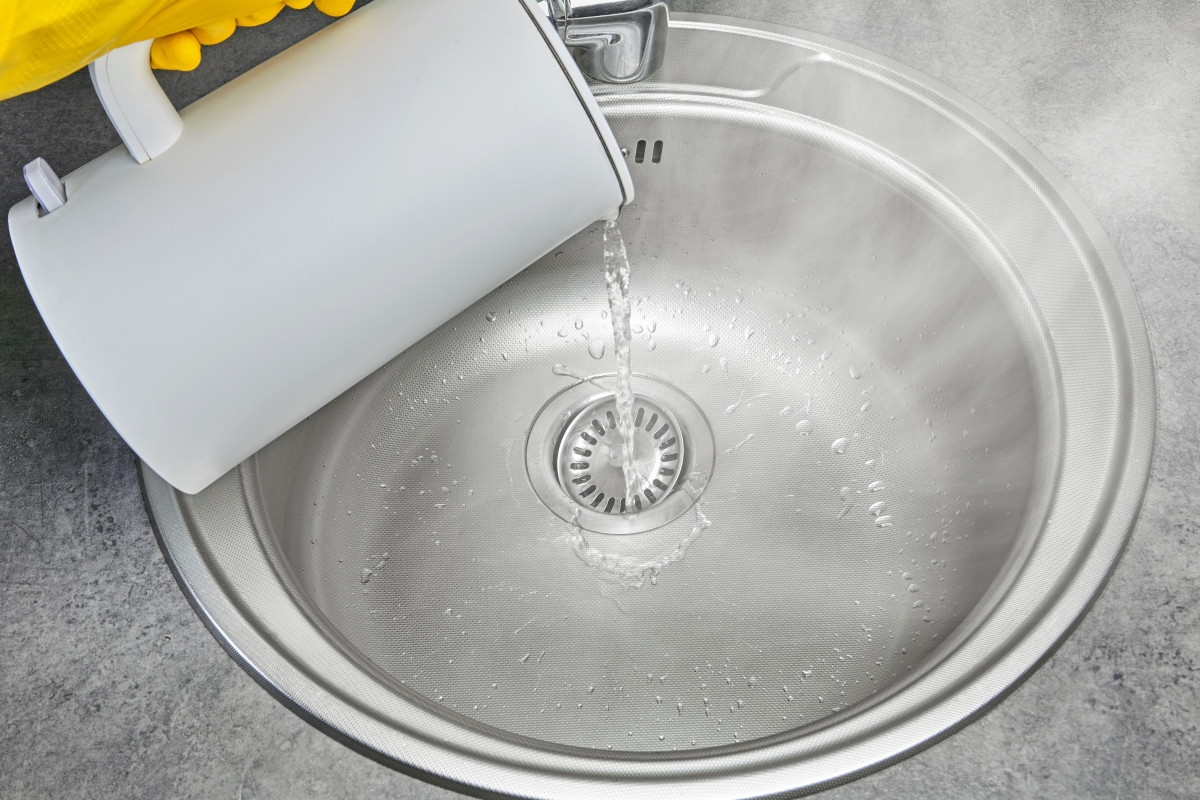
- 1 litre of very hot or boiling water,
- optional: 1 to 2 teaspoons of citric acid.
Step by step:
- Pour the salt directly into the drain.
- If you want a more powerful effect, add citric acid.
- Slowly pour in the hot water.
- Wait 10 to 15 minutes and pour in a little more hot water.
The salt acts as a gentle ‘scrub’ for the pipes: it removes grease and deposits.
The citric acid dissolves limescale and neutralises odours.
The hot water liquefies the grease and removes all deposits.
The result? The drain starts to flow freely and the kitchen or bathroom no longer smells musty.
Want to enhance the effect? Use a citrate-based gel
In Germany, another method is very popular: cleaning the drain with a sodium citrate-based gel. Few people have heard of it, but it works wonders.
How can you make it at home?
- Mix citric acid with a little hot water,
- add a little bicarbonate of soda to make a thick paste,
- apply it directly to the drain, wait 20 minutes,
- rinse with boiling water.
The paste is very effective at removing old grease and soap deposits.
When do home remedies not work?
Although salt and acid work in 90% of cases, sometimes the problem is more serious. If:
- the drain gurgles but nothing flows out,
- the smell is very strong,
- the water is completely stagnant,
- you hear gurgling coming from other drains in the flat,
it may be necessary to use a plumber’s snake or call a plumber.
Home remedies cannot dissolve, for example, a blockage formed by cotton buds or a large amount of hair mixed with grease.
How can you prevent the drain from becoming blocked? 3 golden rules
- Once a week, pour boiling water down the drain – this is the simplest form of prevention.
- Install a strainer: it will catch food scraps and hair.
- Every 10 to 14 days, pour 2 tablespoons of salt and rinse with hot water: this will keep the pipes in excellent condition.
Regularity = fewer problems, less expense, less stress.
FAQ – frequently asked questions
1. Can salt damage pipes?
No. Ordinary table salt does not react chemically with plastics or metals. It is safe, even with regular use.
2. Which works best: salt or bicarbonate of soda?
Bicarbonate of soda removes grease, while salt removes mechanical deposits. The mixture of salt and boiling water is gentler and often more effective on recent blockages.
3. How often should I use this method?
As a preventive measure, once a week. If the flow slows down, repeat the operation immediately.
4. Can I mix salt and vinegar?
You can, but the reaction will not be as active as with bicarbonate of soda. On the other hand, salt + hot water works faster and without the smell of vinegar.