Children’s eyes often see things that adults overlook. They have a lot to teach everyone. The problem is that, because they are small, they are often not heard, but they are great observers of nature, and this has already been proven. A few years ago, in a forest near the University of Pennsylvania, Hugo Deans, an eight-year-old boy, was playing when he noticed some small round structures near an ant nest. He assumed they were seeds that had fallen from the trees, so he picked them up and showed them to his father. Andrew, a professor of entomology, immediately recognised that what his son had found were not seeds, but oak galls. The scientific journal Nature published the discovery in its pages.
These formations occur when certain insects induce trees to generate abnormal plant tissue, within which their larvae grow and develop. What neither of them suspected was that oak galls would give rise to a study that redefined the way ecologists understand the interactions between plants and insects, and which would later be published by the journal American Naturalist.
The discovery of an 8-year-old boy that changed science
“Myrmecochory is the mechanism by which some angiosperms get their seeds transported and dispersed by ants. These insects have a remarkable ability to carry seeds and fruits over long distances, which gives rise to a particular symbiosis with certain plant species. In myrmecophilous plants, the seeds have nutritious appendages called elaiosomes, which are attractive and tasty to ants. The seed with this appendage is called a diaspore. The process occurs when the workers collect the diaspores and take them to the colony, where they consume the elaiosome to feed the larvae, while the seed, now without the appendage, is deposited in underground chambers with organic debris or expelled from the nest, thus favouring its dispersal and subsequent germination,” explains Antropocene.

“Normally, diaspores are not dispersed far from the mother plant. However, plants benefit from this mutualism with ants, as this mechanism facilitates the transport of seeds to locations favourable for germination and is also protected from granivorous predators.
In nature, the myrmecochory mechanism is used by more than 3,000 plant species. Typical examples of myrmecophily are observed in Chelidonium majus, in some species of plants of the genus Viola, in snowdrops (Galanthus nivalis), in Hepatica nobilis and Anemone nemorosa, in Onopordum illyricum, Mentha longifolia, Salvia aethiopis, Bixa orellana and many other plants.”
When gall wasps lay their eggs in an oak tree, they inject chemical compounds that alter the normal development of plant tissue. The tree, deceived, produces a kind of nutritious and protective capsule around the wasp embryo. So far, this is a completely normal interaction.
What is surprising is what happens next: some of the galls develop a fleshy, pinkish cover that is extremely attractive to ants. This cover is rich in fatty acids very similar to those found in dead insects, the preferred food source of many necrophagous ants.
Deceived by this chemical signal, the ants collect the glands as if they were seeds and take them to their nests. There, they consume the cover and store the rest of the gland in underground chambers, where the wasp larva is protected from predators and adverse environmental conditions.
In other words, wasps not only manipulate the oak tree into making a shelter for their offspring, but also manipulate the ants into acting as unwitting guardians.
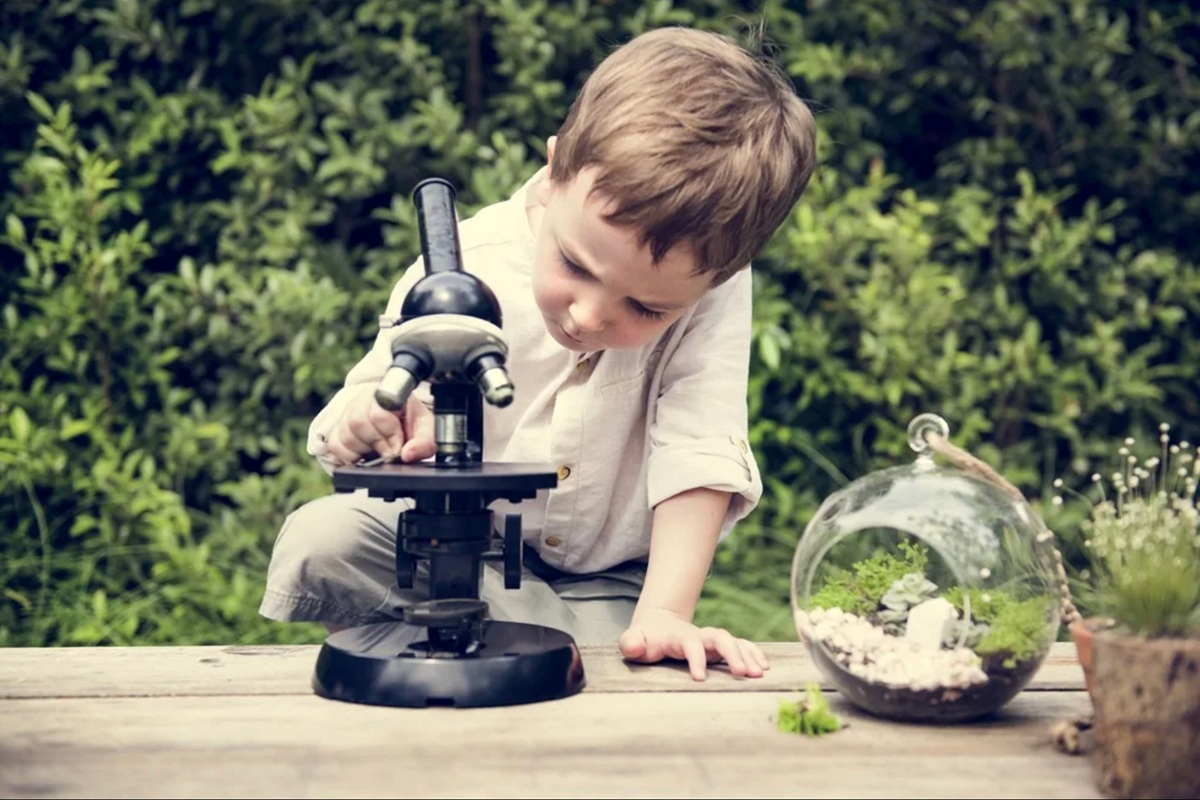
To confirm this hypothesis, the researchers conducted a series of experiments. They placed galls with and without caps in the environment of different ant colonies and recorded their reactions on video. The results were clear:
- The ants quickly transported the galls with caps, treating them as if they were seeds with elaiosomes.
- The galls without caps were ignored or abandoned, demonstrating that the chemical attractant was essential.
Chemical analysis confirmed the presence of specific fatty compounds known to trigger the collection response in ants. This same compound is present in dead insects and in the elaiosomes of myrmecochoric seeds.
‘What struck me most was that I had spent years studying insects without noticing this relationship,’ Andrew Deans said in an interview.
This scientific discovery not only expands ecological theory, but also offers lessons applicable in other fields. The chemistry of caps, for example, could serve as a basis for further studies on compounds that attract ants. Furthermore, far from being a strange phenomenon, chemical manipulation seems to be at the heart of many interactions: from fungi that control the behaviour of insects to parasites that alter the behaviour of their hosts. What began as child’s play ended up revealing one of the most complex ecological interactions known to date.