
NASA (the US space agency) has announced that the longest solar eclipse in history will soon take place. This astronomical event will last a maximum of 6 minutes and 22 seconds, making it the longest of the 21st century. The scientific community and astronomy enthusiasts have already begun the countdown to witness one of the most significant events of this century. It will only be surpassed by the eclipse of 11 July 1991, which had a totality period of 7 minutes and 10 seconds, according to a recent report by NASA specialists.
When will the longest solar eclipse take place?
NASA has confirmed that this phenomenon will occur on 2 August 2027, a date that allows enough time to prepare and obtain the appropriate equipment to enjoy it, such as:
- Modern telescopes
- Glasses certified according to ISO 12312-2
This also provides an opportunity to plan trips to areas with low light pollution and favourable weather conditions. This will allow for a clear view of this natural event.
Where will the eclipse be longest?

NASA has specified that the eclipse will be visible, either totally or partially, in several countries in Europe, Africa and Asia. These include:
- Spain
- Morocco
- Algeria
- Tunisia
- Libya
- Egypt
- Sudan
- Saudi Arabia
- Yemen
- Somalia
What will the 2027 solar eclipse look like?
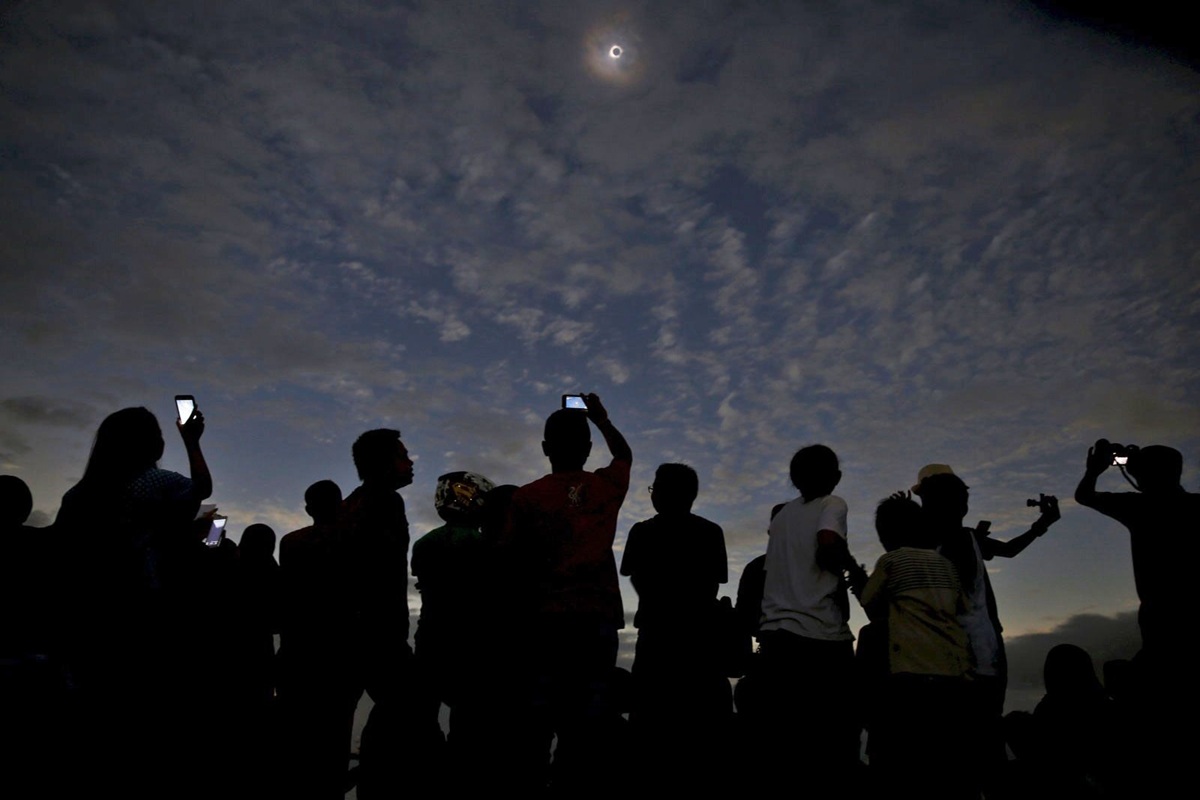
It will begin over the Atlantic Ocean and progress towards northern Africa, covering countries such as Morocco, Tunisia, Libya and Egypt. It will then cross Saudi Arabia and Yemen before ending over the Indian Ocean.
The city of Luxor, Egypt, will be the focal point, where the maximum duration will reach 6 minutes and 23 seconds.
It is interesting to note that the Moon’s shadow will travel at a speed of nearly 258 kilometres per second and cover an area of approximately 2.5 million square kilometres.
According to the space agency, this event promises to be one of the most impressive astronomical spectacles of the coming decades.